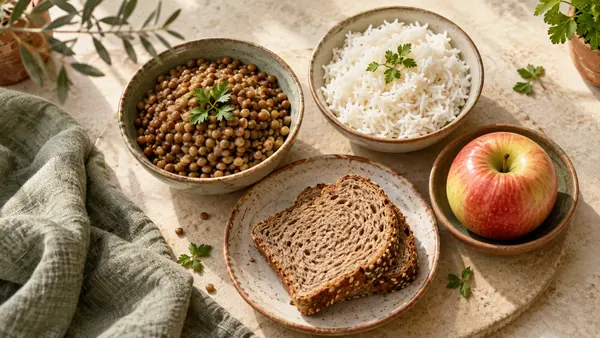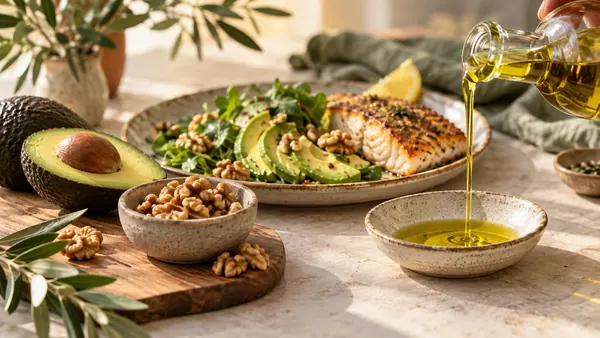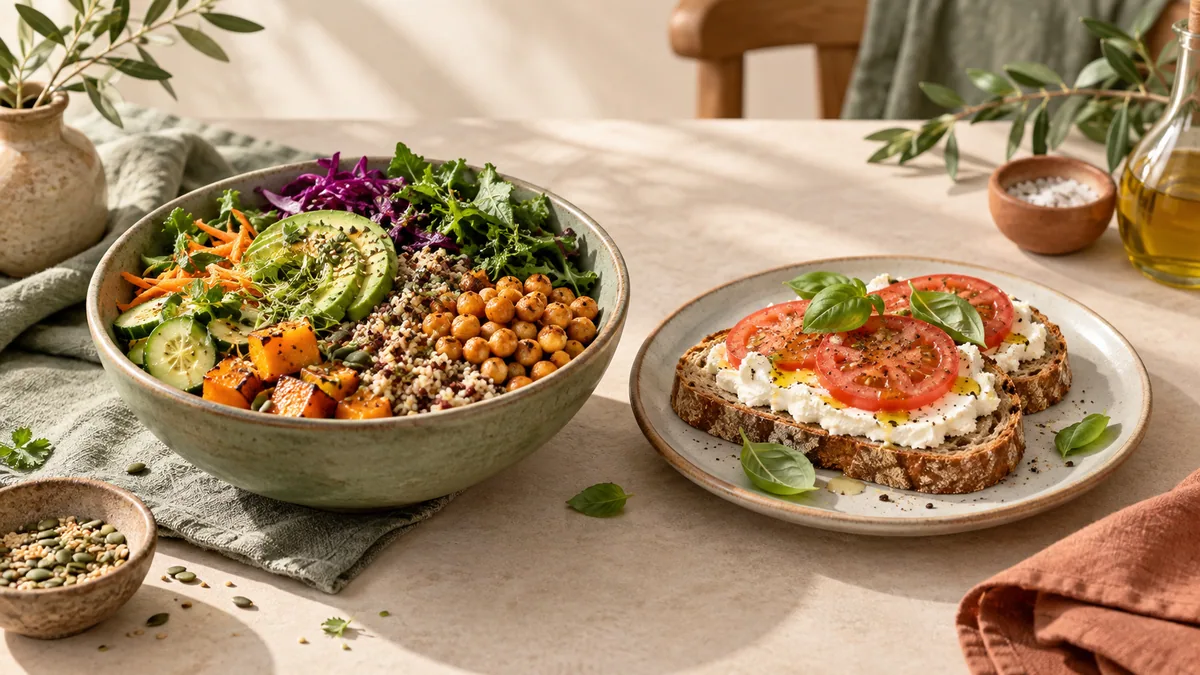
A calorie estimate describes energy, not everything about a meal. Two portions with similar energy can differ in protein, fibre, fat, salt and the range of foods they contain. The lowest-calorie option is not automatically the most suitable one.
A useful food record
- Food and state: cooked rice rather than an unspecified rice entry.
- Amount: the edible portion you actually ate.
- Additions: oil, sauce and drinks not already included.
- Composition: the separate components of a mixed plate.
- Optional context: whether the meal was convenient or satisfying.
These notes describe a pattern; they do not diagnose a condition or grade your worth.
Two common logging mistakes
First, entering only the main food can miss oil or a drink. Second, treating a food as “healthy” can lead you to overlook its portion. Consistency helps you interpret a record without turning every meal into a test of perfection.
Start with a familiar meal
Check one repeated meal rather than attempting to reconstruct every ingredient from memory. Reference entries for cooked rice and eggs can illustrate the importance of food state and quantity. For a packaged item, use the label-reading guide.
Review Avocado’s suggested food and amount before saving a photo log. If you follow a therapeutic diet, your individual care plan takes priority over a generic score or estimate.
00