
Technology
Photo calorie counters: how estimates work and what to check
A food photo can start a useful log, but hidden ingredients and portion size still need your review.
Read the article →The Avocado Journal
Nutrition, movement and everyday habits. Guides for real life.
Start with your question
67 articles
A food photo can start a useful log, but hidden ingredients and portion size still need your review.
Read the article →
A practical checklist for people who log Persian foods. This is an Avocado-authored comparison, not an independent ranking.
Read the article →
A realistic revision plan protects sleep. One night cannot guarantee a grade, but losing sleep can make learning and attention harder.
Read the article →
Explore controlled movements for the thigh, hip and calf, with clear limits for painful or injured knees.
Read the article →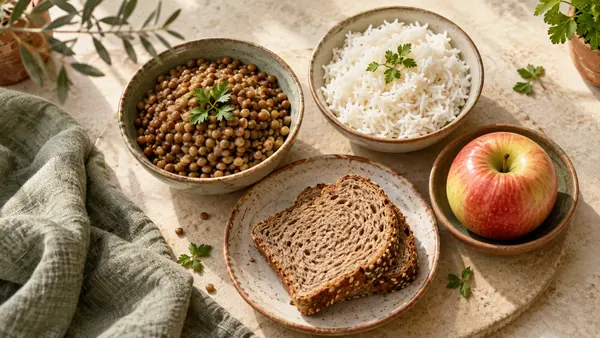
GI describes a measured blood-glucose response to carbohydrate. Portion size, preparation and the whole meal still matter.
Read the article →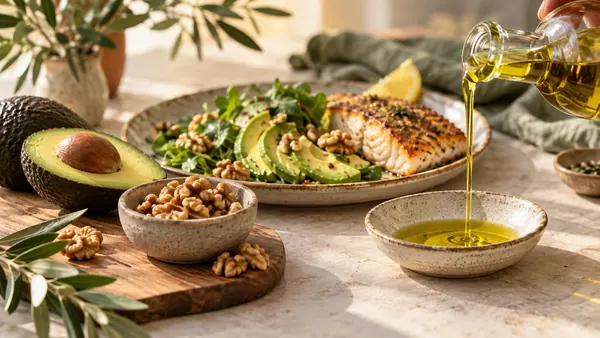
Compare unsaturated, saturated and trans fats, and account for the portion rather than relying on “good” or “bad” labels.
Read the article →
Adjust light, temperature, noise and routines to suit you. A better environment can help, but it does not guarantee perfect sleep.
Read the article →
Shoulder appearance does not diagnose an injury. Try gentle movement where appropriate, and seek assessment for painful or worsening symptoms.
Read the article →
Knee pain has many possible causes. These movement examples are not a diagnosis or a universal rehabilitation programme.
Read the article →
A head position is not a diagnosis. Focus on comfortable movement and activity tolerance, with assessment for persistent or neurological symptoms.
Read the article →
Gentle movement can be part of back-pain care. A home exercise list cannot identify the cause or replace an individual plan.
Read the article →
Visceral fat sits around internal organs. Learn the limits of appearance and waist measurements, and the value of an overall health assessment.
Read the article →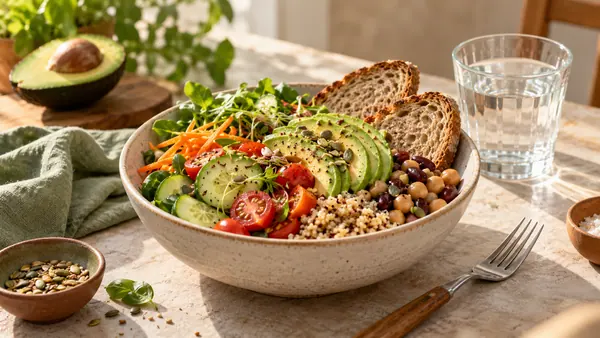
Insulin resistance often has no obvious symptoms. Weight change or food cravings alone cannot diagnose it.
Read the article →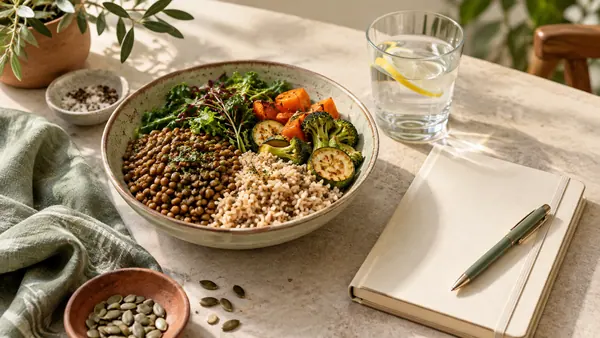
PCOS care is individual. Sustainable food and activity habits can support care, but are not a cure or a substitute for medical follow-up.
Read the article →
A few stable scale readings do not establish a plateau. Review measurement, routine and symptoms before adding restriction.
Read the article →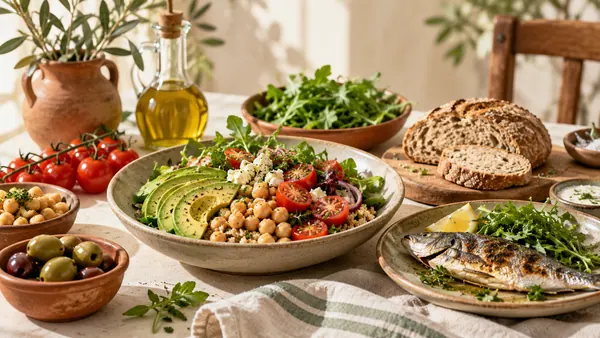
A flexible pattern built around vegetables, beans, whole grains and unsaturated fats can work with foods you already know.
Read the article →
AI can organise a food log and suggest questions to consider. It cannot replace a dietitian, diagnose a condition or verify a meal from a photo alone.
Read the article →
Choose one manageable habit, attach it to an existing routine and adjust it when life gets busy.
Read the article →
A slower weight trend does not mean your metabolism has switched off. Review the whole pattern before making food intake more restrictive.
Read the article →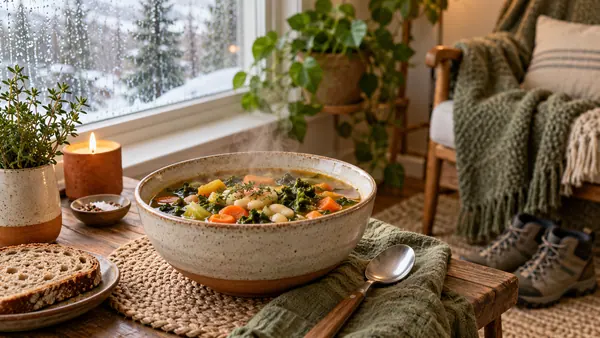
Cold weather and shorter days can disrupt routines. Plan for convenience rather than blaming willpower or a “winter metabolism”.
Read the article →
The digestive system and brain communicate in several ways. That does not make anxiety a gut problem or a probiotic a universal treatment.
Read the article →
Lemon can make water more appealing, but it does not cancel food calories or provide a special detox effect.
Read the article →
Use a four-part review of the food, preparation, portion and additions to make a photo log more useful.
Read the article →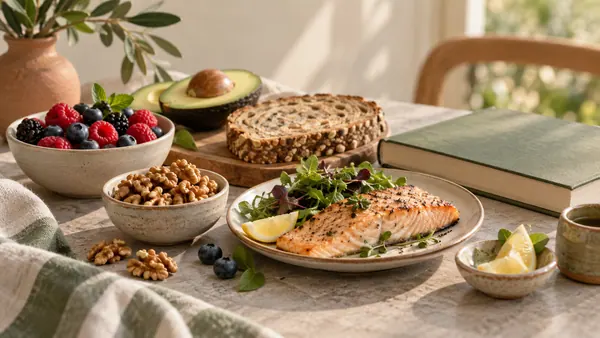
Fish, nuts, berries, eggs and leafy greens can add variety. No single food guarantees memory or concentration.
Read the article →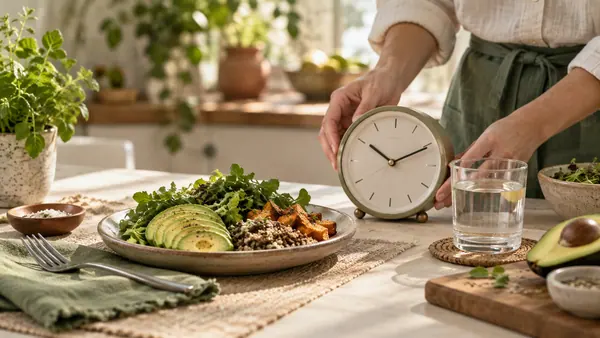
Fasting changes when you eat. It does not guarantee weight loss or make food quality and medical circumstances irrelevant.
Read the article →
There is no single secret shared by all smaller-bodied people. Focus on routines you can observe and adapt, without judging by appearance.
Read the article →
Sleep can affect appetite and daily routines, but one short night does not determine your weight or hormone levels.
Read the article →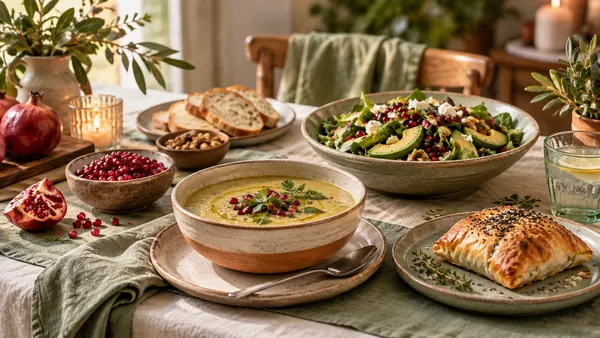
At Yalda, holiday dinners or other gatherings, flexible planning can support comfort without strict food rules.
Read the article →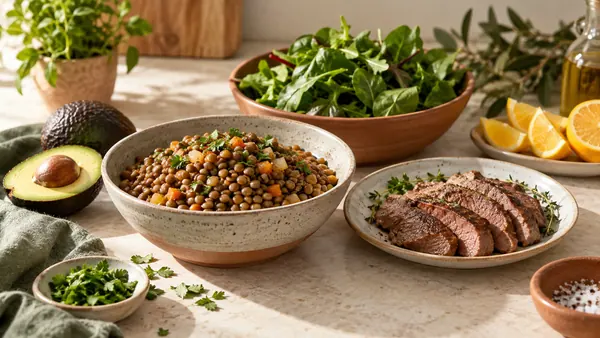
Iron is important for oxygen transport. Fatigue alone cannot tell you whether you need an iron supplement.
Read the article →
Try gentle, comfortable breathing without forcing a breath hold. It is a self-help exercise, not an instant treatment.
Read the article →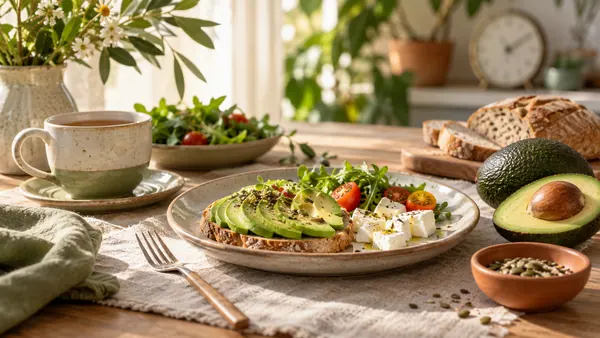
Breakfast timing can vary. Consider appetite, routine, medication and overall nutrition rather than a universal rule.
Read the article →
Vitamin D supports essential functions, but clinical evidence does not support taking it to promote weight loss.
Read the article →
Compare like-for-like amounts and distinguish salt from sodium. Do not treat sudden swelling with food rules alone.
Read the article →
Severe restriction can create health risks. Unintentional weight loss also needs attention rather than celebration.
Read the article →
Use ingredient weights and the finished recipe weight to estimate each serving, including oil and sauces.
Read the article →
A fermented food is not automatically a proven probiotic treatment. Effects depend on the organism, product and condition.
Read the article →
Alcohol contributes energy and carries health risks. A simple “fat burning stops” explanation misses the larger picture.
Read the article →
Build a breakfast around your appetite, available time and food preferences, without needing an expensive routine.
Read the article →
Noticing food and emotions can be useful, but mindfulness does not replace care for binge eating or other eating disorders.
Read the article →
Cravings can reflect many influences. They do not, on their own, diagnose a mineral deficiency or a blood-sugar problem.
Read the article →
Food choices matter for teeth, but they do not replace fluoride toothpaste, oral hygiene or dental assessment.
Read the article →
There is no single food test that proves whether hunger is “real”. Use a pause to understand your needs, not to deny them.
Read the article →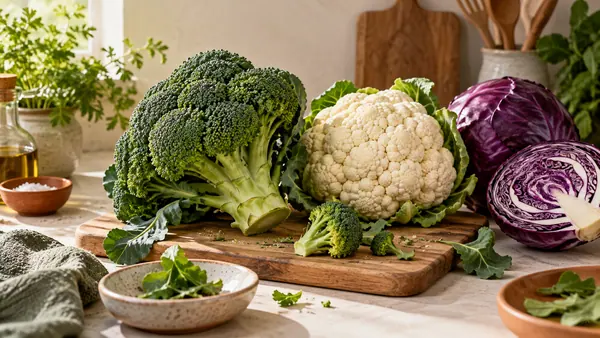
Broccoli, cabbage and cauliflower can add variety to meals. Their plant compounds do not establish a treatment for liver or hormone conditions.
Read the article →
Chewing helps prepare food for swallowing. A rigid number of chews or a promise of weight loss is unnecessary.
Read the article →
Fatigue alone does not establish B12 deficiency. Persistent neurological symptoms need medical assessment, even without obvious anaemia.
Read the article →
Caffeine can affect alertness, but it is not a reliable weight-loss strategy. Sensitivity and drink composition vary.
Read the article →
Magnesium supports normal body functions. Tiredness or poor sleep does not automatically mean you need a supplement.
Read the article →
Plan for enjoyment, comfort and flexibility. One gathering does not require compensation the next day.
Read the article →
Walking can be a practical form of activity. Start from your current ability and judge progress by more than the scale.
Read the article →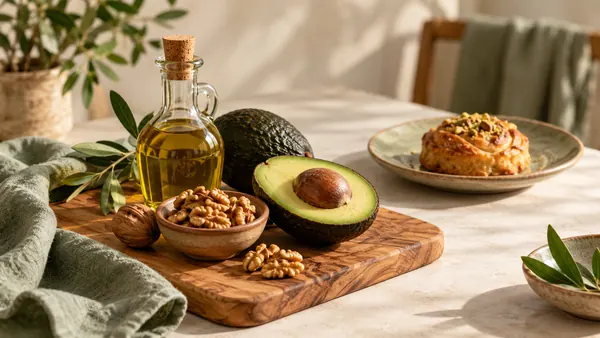
Fats provide energy, but their effects on health are not interchangeable. Compare type, amount and replacement.
Read the article →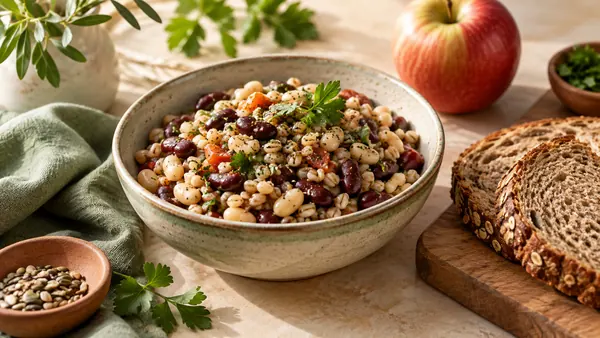
Fibre-rich foods can support a balanced eating pattern. Their effect depends on the whole meal and does not replace diabetes treatment.
Read the article →
Hunger and a desire for a particular food can happen together. A brief check-in should help you respond, not become a rule for refusing food.
Read the article →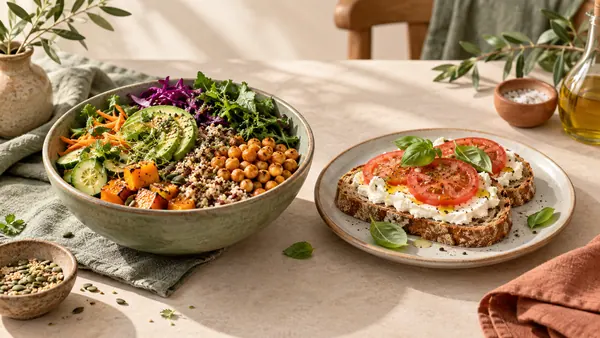
Energy is one part of a meal record. Ingredients, variety and preparation help explain what a calorie number cannot.
Read the article →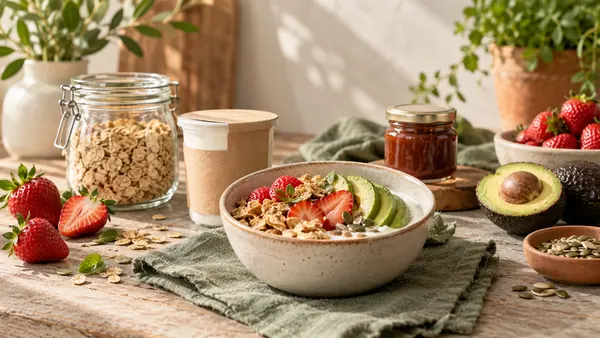
Compare the nutrition table, ingredients and your actual portion. “Natural” or “diet” is not a complete description.
Read the article →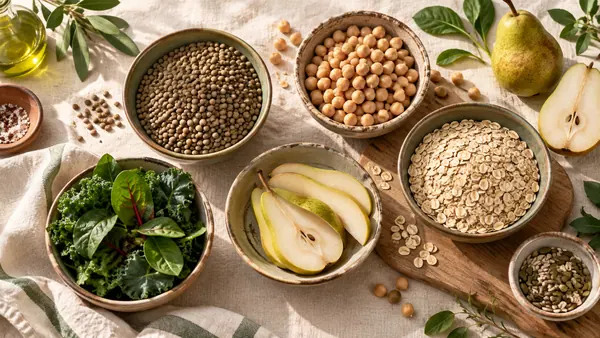
Choose familiar plant foods, increase amounts gradually and seek advice for persistent digestive symptoms.
Read the article →
Food weight and protein weight are different. Learn to read the numbers without treating more protein as automatically better.
Read the article →
Stress can affect routines and wellbeing, but body shape cannot diagnose a cortisol problem.
Read the article →
Water supports normal function. It does not need to be marketed as a fat burner or a way to suppress hunger.
Read the article →
No single food can make up for every part of an eating pattern. Choose useful, affordable foods rather than a miracle ingredient.
Read the article →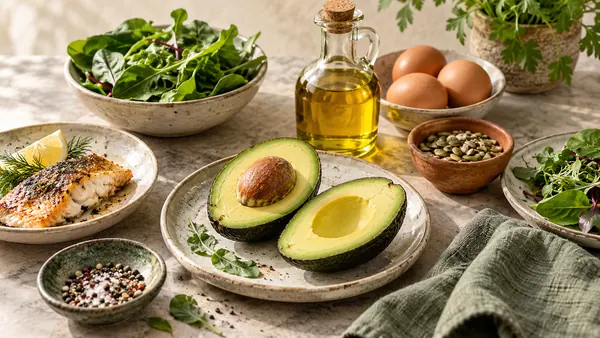
A ketogenic diet is a substantial dietary change. Early scale changes and ketosis do not establish long-term suitability.
Read the article →
Food can offer comfort as well as nourishment. Notice patterns without shame, and seek support for repeated distress or loss of control.
Read the article →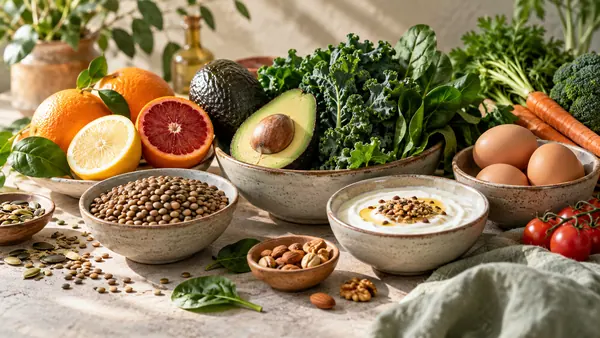
Micronutrients support normal processes. Taking extra does not automatically raise metabolism or burn fat.
Read the article →
Find the serving basis first, then calculate the amount you ate. Two examples show how to avoid common portion mistakes.
Read the article →
Strength training supports muscle and everyday function. Changes in resting energy use are variable and do not guarantee weight loss.
Read the article →
Intensity is only one consideration. Time, comfort, current fitness and consistency all affect the choice.
Read the article →
Leptin is part of appetite regulation, but common weight concerns cannot be reduced to one hormone or solved by a promised “reset”.
Read the article →
Thirty is not a deadline for building strength. A manageable routine, adequate food and recovery matter more than an extreme start.
Read the article →No articles found yet. Try a shorter search.